
Používání chodítka na kolečkách není změna přes noc, ale proces psychologické adaptace.Jak pomoci starším dospělým překonat odpor k chodítkům?1. Průvodce z pozitivní perspektivy
Popište chodítko na kolečkách spíše jako bezpečnostní pomůcku než jako symbol stárnutí, například:
" S chodítkem na kolečkách se vám bude do parku chovat snadněji.ddhhh
2. Zapojte je do rozhodovacího procesu
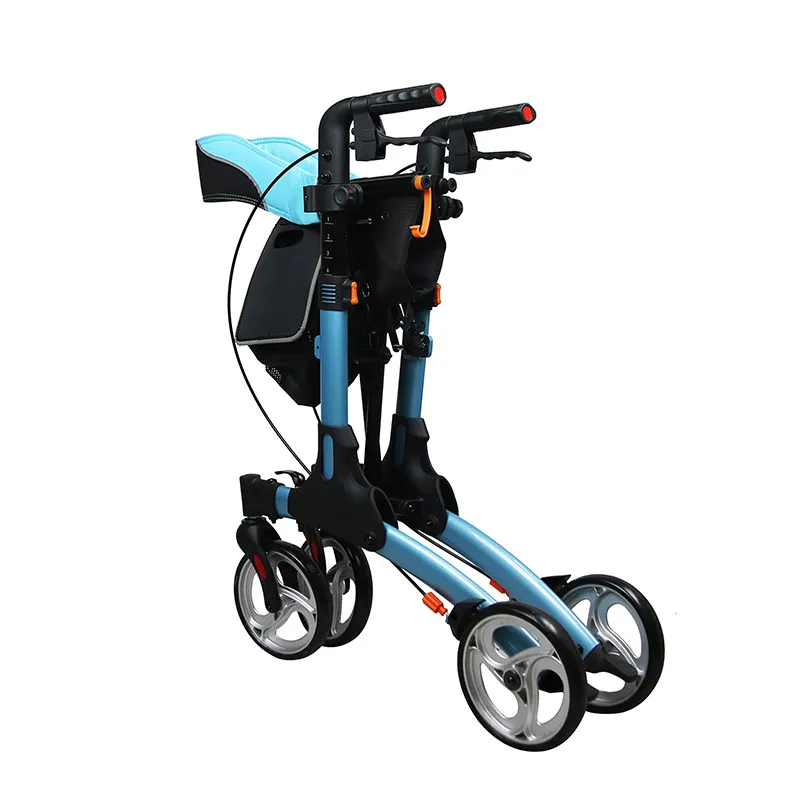
Vyberte si modely a vyzkoušejte je společně, ať se cítí, d". Tohle je moje volba."
3. Postupná adaptace
Nejprve cvičte doma a postupně přecházejte k venkovnímu používání.
4. Poskytněte psychologickou podporu
Pomozte starším dospělým pochopit, že používání chodítka na kolečkách neznamená ztrátu důstojnosti, ale spíše způsob, jak si zachovat nezávislost a bezpečí.
5. Sociální vylepšení
Posílit kampaně na zvyšování povědomí veřejnosti, prezentovat pozitivní image používání chodítek a odstraňovat společenské předsudky.
Oslabí vás používání chodítka na kolečkách?
Ne. Naopak, chodítko na kolečkách může starším dospělým pomoci bezpečně pokračovat v chůzi, udržovat svalovou aktivitu a flexibilitu kloubů.
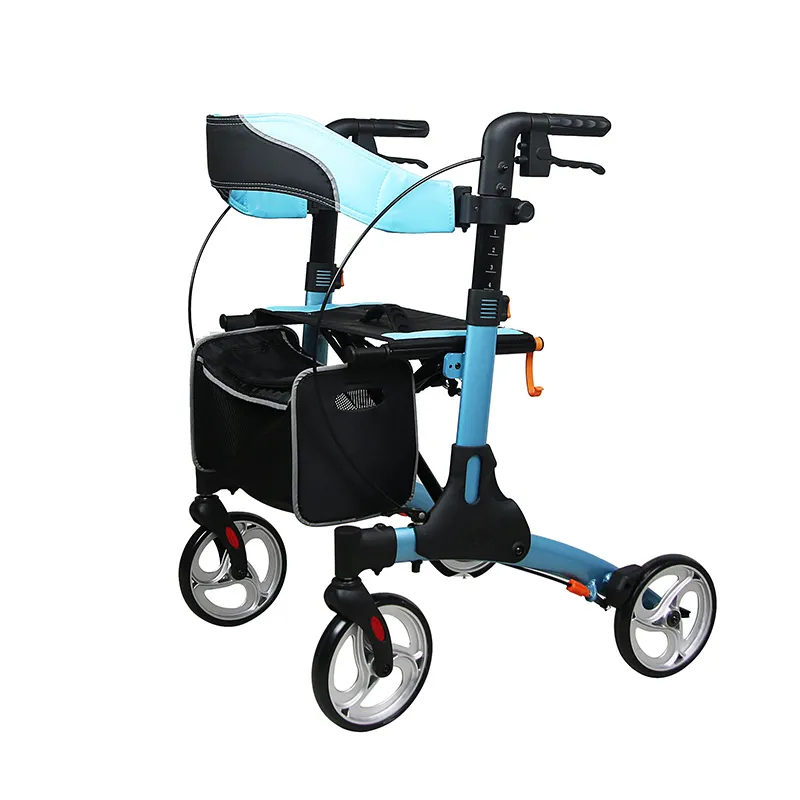
Co když je chodítko s kolečky příliš objemné?
Na trhu jsou k dispozici lehká, skládací chodítka s kolečky, která jsou přizpůsobena výšce a síle seniorů.
Měli by být senioři nuceni používat chodítko na kolečkách?
Ne, neměli by být nuceni. Měli by být postupně seznamováni s výhodami chodítka s kolečky prostřednictvím respektu, porozumění a komunikace.
Odmítnutí chodítka na kolečkách není odmítnutí pomoci, ale touha po respektu
Když senioři nejsou ochotni používat
chodítko s kolečky
, to, co ve skutečnosti odmítají, není samotné zařízení, ale identita toho, kdo je d" vnímán jako někdo, kdo potřebuje pomoc."
Mají obavy:
• Používání chodítka znamená, že už nejsem samostatný/á;
• Ostatní je budou litovat nebo soudit;
• Jejich důstojnost bude oslabena.
Nicméně, skutečný význam a
chodítko na kolečkách
spočívá v zachování nezávislosti, ne v jejím odebrání.
Umožňuje seniorům pokračovat v volných procházkách, nakupování a setkávání s přáteli, což jim dělá život bezpečnějším a kontrolovanějším.
Jaké certifikace a standardy splňuje Dayang Medical?
Kvalita a dodržování předpisů jsou pro společnost Dayang klíčové. Jsme držiteli certifikací ISO13485 a ISO9001 a získali jsme certifikace FDA a TUV; mnoho našich produktů má certifikaci CE pro exportní trhy. Tato osvědčení odrážejí náš přísný systém řízení kvality a testovací protokoly, což nám umožňuje působit jako důvěryhodný výrobce a dodavatel na regulované trhy.
3. Concern that rollator walkers are too bulky and inconvenient
From actual user experience, some elderly people do find rollator walkers bulky or difficult to operate.
They might say:
• "It takes up too much space and is inconvenient to carry around."
• "It's too difficult to fold and store."
• "It's inconvenient to push it up stairs."
These concerns are more common among those with weaker physical abilities or living in small spaces.
Especially for elderly people living alone, the weight, size, or storage issues of a rollator walker often become significant reasons for refusing to use it.
4. Resistance to New Things
Some elderly people have a resistance to new devices or assistive tools.
They may not understand the structure of the rollator walker, or be unfamiliar with how to use the brakes, adjust the height, or fold it.
Faced with an unfamiliar design, they may feel uneasy or afraid of making mistakes.
This "technophobia" is not a matter of ability, but a common psychological defense mechanism.
They prefer to maintain familiar methods—such as using a cane, walls, or furniture—rather than learn about "complex" new devices.
5. Fear that a rolling walker makes them seem more vulnerable
This is an "identity" issue.
For many elderly people, a rolling walker is not just a tool, but a label.
They worry that once they start using a rolling walker, they will be "defined" as "people with limited mobility."
In their self-perception, this change not only affects their self-confidence but also their role in the family and social circles.
“If I use a rollator walker, people will know I'm old.”
“I don't want my grandchildren to see me like this.”
This fear of being labeled makes them subconsciously resist using a rollator walker.
6. Fear of Increased Dependence
Some elderly people worry that once they start using a rollator walker, they will become increasingly dependent on it, further weakening their walking ability.
They often say:
“I don't use a rollator walker because I'm afraid I'll become lazier.”
This worry actually reflects their anxiety about declining physical function.
They fear that “using a rollator walker” will become an excuse to “give up exercising.”
Although the rollator walker itself does not cause degeneration, the psychological “fear of dependence” makes them unwilling to take the first step in using it.
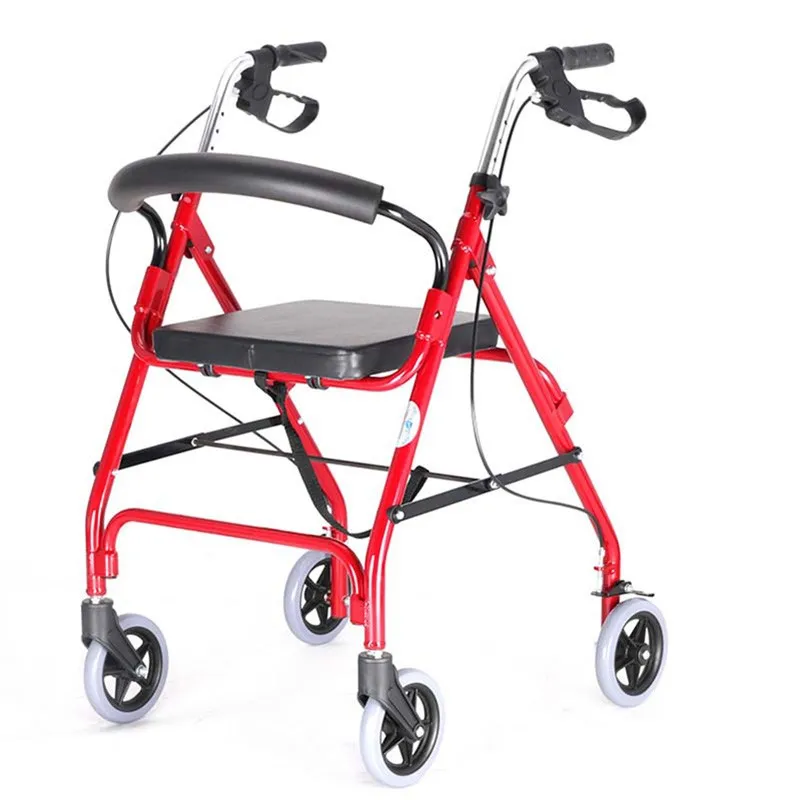
From a Psychological Perspective: The “Symbolic Meaning” of the Rollator Walker
In geriatric psychology, the rolling walker is seen as an item that has both functional and symbolic meaning.
It represents both help and safety, and also symbolizes aging and dependence.
For some older adults, the rolling walker is not a convenient tool, but a mirror—a mirror reflecting their aging process.
Their rejection of the rolling walker is, in essence, a rejection of the reality that their bodies are no longer what they used to be.
This resistance is not merely a rejection of the device itself, but also a psychological defense mechanism that helps them maintain a "I'm still capable" self-image.
Why is the rollator walker seen as a symbol of "loss of dignity"?
In many cultures, independent walking is seen as a sign of health and dignity.
When older adults are suggested to use a rollator walker, they experience not only physical changes but also a shift in their social roles.
The rollator walker symbolizes "need for help," not "self-control."
This conflicts with the "independent image" they have cultivated over decades.
For example, many older men are less willing to use a rollator walker because they have long played the role of "caregiver."
When their role shifts to "being cared for," they feel discomfort, shame, and even frustration.
Does the social environment exacerbate the resistance of older adults?
Yes. Societal stereotypes about the elderly and assistive devices often inadvertently exacerbate their resistance.
• Advertisements rarely portray "positive older adults" using roll-a-walkers;
• Public facilities still primarily cater to the needs of younger people;
• Some people cast sympathetic glances at elderly people using roll-a-walkers.
This "social labeling" makes the elderly feel that using a roll-a-walker will define them as a "frail group."
They fear social marginalization and thus choose to "hide their needs."
Do family members' attitudes influence the elderly's choices?
Absolutely.
If family members forcefully or authorize the use of a roll-a-walker, the elderly are often more resistant.
The correct approach is:
• Respect the elderly's feelings; don't treat the roll-a-walker as a "mandatory instruction";
• Communicate from a safety and convenience perspective, rather than persuading them from an "aging" perspective;
• Involve the elderly in the selection process, allowing them to choose their preferred style and color;
• Provide adaptation training to help them build confidence.
The use of a rolling walker is not an overnight change, but a process of psychological adaptation.
How to help older adults overcome resistance to rollator walkers?
1. Guide from a positive perspective
Describe the rollator walker as a "safety tool" rather than a "symbol of aging," for example:
"With a rollator walker, you can go to the park more easily."
2. Involve them in the decision-making process
Choose models and try them out together, making them feel, "This is my choice."
3. Gradual adaptation
Practice at home first, gradually transitioning to outdoor use.
4. Provide psychological support
Help older adults understand that using a rolling walker does not mean losing dignity, but rather a way to maintain independence and safety.
5. Social improvements
Strengthen public awareness campaigns, showcasing a positive image of rollator walker use and eliminating social prejudice.
Will using a rolling walker make you weaker?
No. On the contrary, a rolling walker can help older adults continue walking safely, maintaining muscle activity and joint flexibility.
What if a rollator walker is too bulky?
Lightweight, foldable rollator walkers are available on the market, with models to suit the height and strength of seniors.
Should seniors be forced to use a rollator walker?
No, they shouldn't be forced. They should be gradually introduced to the benefits of the rollator walker through respect, understanding, and communication.
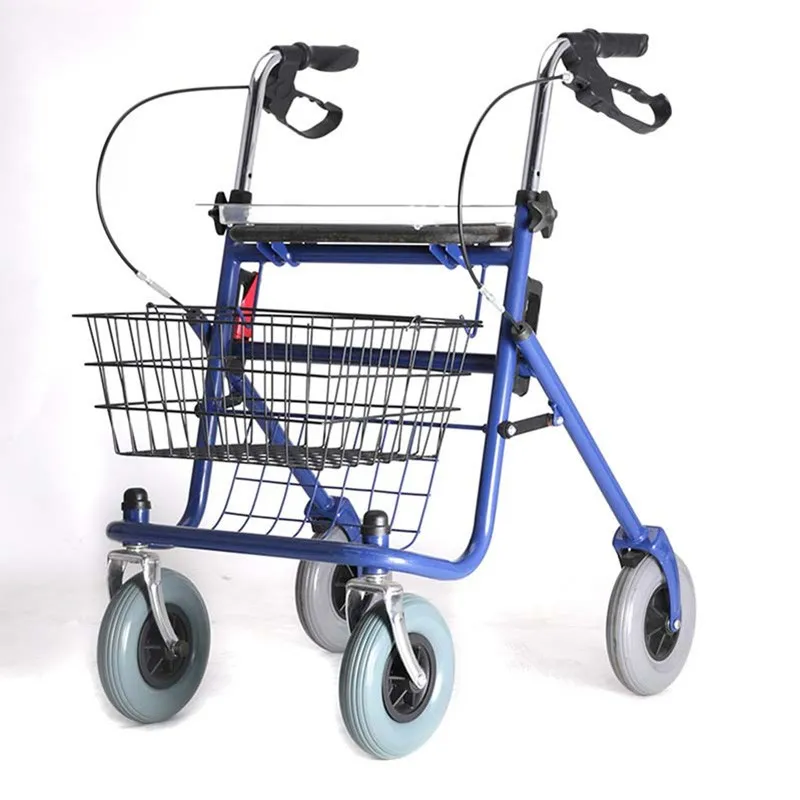
Refusing a Rollator Walker is Not a Refusal of Help, but a Desire for Respect
When seniors are unwilling to use a rollator walker, what they are truly rejecting is not the device itself, but the identity of being "seen as someone who needs help."
They worry:
• Using a rollator walker means "I am no longer independent";
• Others will pity or judge them;
• Their dignity will be diminished.
However, the true meaning of a rolling walker lies in—preserving independence, not taking it away.
It allows seniors to continue walking freely, shopping, and meeting friends, making life safer and more controlled.
What certifications and standards does Dayang Medical meet?
Quality and compliance are central to Dayang’s operations. We hold ISO13485 and ISO9001 certifications and have achieved FDA and TUV validations; many of our products carry CE certification for export markets. These credentials reflect our rigorous quality management system and testing protocols, enabling us to act as a trusted manufacturer and supplier to regulated markets.
